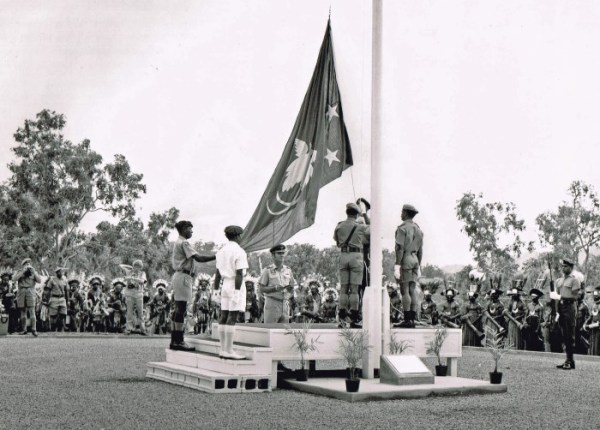
The struggle for independence in the Republic of West Papua from Indonesia

The struggle for independence in the Republic of West Papua has a long and complex history, rooted in the cultural, historical, political, and social factors that have shaped the region for centuries. Situated on the western half of the island of New Guinea, West Papua has been under Indonesian control since 1963, following the controversial Act of Free Choice in 1969, which saw a select group of Papuans vote to become part of Indonesia.

However, many indigenous Papuans argue that this vote was heavily coerced and did not represent the true desires of the people, who have long sought independence from Indonesian rule. The Papuan independence movement has been marked by peaceful protests, armed resistance, and ongoing conflict with Indonesian security forces, leading to a high level of human rights violations and casualties among the civilian population.

Culturally, the Papuan people have a deep connection to their land and natural resources, which they believe are being exploited by the Indonesian government without proper consultation or consent. This has led to environmental degradation, displacement of communities, and loss of traditional ways of life for many indigenous Papuans.

Politically, the Indonesian government has been accused of suppressing dissent and restricting freedom of expression in West Papua, making it difficult for Papuan voices to be heard on the international stage. International organizations such as the United Nations have called for greater respect for human rights in the region, but progress has been slow and limited in the face of Indonesian opposition.

The benefits of the independence movement for the indigenous Papuan people are clear: they seek self-determination, cultural preservation, and control over their own resources. Many Papuans believe that independence would bring greater autonomy, economic development, and social justice to their communities.

On the other hand, the Indonesian government argues that West Papua is an integral part of the country and that independence would threaten national unity and stability. In recent years, there have been efforts to improve infrastructure, healthcare, and education in West Papua, but critics argue that these measures are not enough to address the underlying grievances of the Papuan people.

Recent developments in the conflict include continued reports of violence, human rights abuses, and restrictions on access for journalists and human rights monitors. The situation remains volatile, with no clear end in sight to the decades-long struggle for independence.

Personal stories from Papuan activists, community leaders, and victims of human rights violations highlight the suffering and resilience of the indigenous population. As one activist, Benny Wenda, has said, “We will continue to fight for our freedom and our rights until justice is served for the people of West Papua.”

In conclusion, the independence movement in West Papua is a complex and deeply entrenched issue that requires a nuanced understanding of the historical, cultural, and political factors at play. By exploring the perspectives of different stakeholders and shedding light on the human rights violations that continue to occur in the region, we can educate ourselves and others on the importance of justice, freedom, and self-determination for all peoples. It is my hope that this blog post will inspire critical thinking and awareness of the challenges facing the people of West Papua, as they continue their struggle for independence and justice.

by Amunggut Tabi, General WPRA
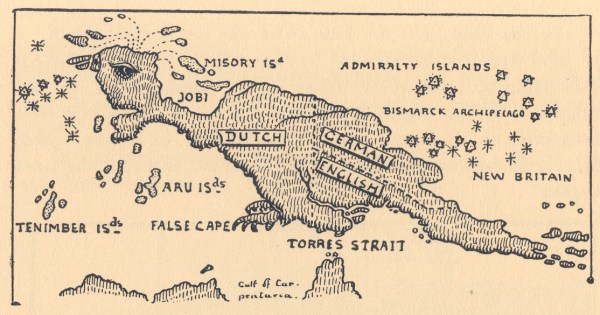
PNGDF is heavily politicized

Papua New Guinea Defense Force Commander Major General Gilbert Toropo

Relieving the Papua New Guinea Defense Force Commander Major General Gilbert Toropo on the basis of age doesn’t sit well especially when considering set precedence and the manner in which the Marape administration is dispensing executive order. And this comes amidst the Marape led government’s sweeping changes across key state institutions in the twilight of its fading tenure.

People are asking since when did a PNG government considered going pass the age limit was a serious impediment to performance in the public service?

Particularly on the premise that not so long ago a retired Colonel by the name of Yaura Sasa was rushed into the citadel of the PNGDF command and control.

PNGDF Commander Toropo was well into the first part of his second term as the country’s top military advisor and commander of the army when some paper pushers in Waigani decided that the military must bend to political convenience.

Commander Toropo, is among the few, or if not the only special force soldier trained by the United States army and is acclaimed by many as a smart, measured and energetic military leader who dragged the aging army into modern discipline and command and control.

It is not about the question of who commands the army but concern on the detriment of the army’s honour and sanctity from the dirty hands of politics.

If PM James Marape has done nothing else in his troubled, turbulent tenure, he has sensitized us anew to concerns about the politicization of the military ­— along with the diplomatic corps. As much as the subject demands our attention, it has largely escaped the level of scrutiny and understanding it deserves.

Ours being a system of governance based on popular sovereignty — rule of, by, and for the people — the military, belongs to the people it is charged with representing.
Can the government do whatever it wants with the military? Our chosen form of government, representative democracy, is built of constitutionally empowered, co-equal institutions charged with checking and balancing one another.

Our army has been the most trusted institution for decades. It has managed to remain above the partisan political fray that has consumed many once-trusted cornerstones of constitutional offices.

Like all things crumbling from the tainted touch of this government the military is increasingly politicized in recent times, in ways that profoundly threaten its reputation for nonpartisanship. Left unchecked, this may gravely endanger the army to remain apolitical — which would have disastrous consequences for the nation’s security.

Using the army to score political points let alone to shop for votes will set a dangerous trend that will compromise its integrity and reputation as the cornerstone of our democracy.

WPRA: “Happy 44th Birthday Papua New Guinea!”

The West Papua Revolutionary Army (WPRA), from the Central Defense Headquarters, the Secretary-General Gen. WPRA Amunggut Tabi says

“Happy 44th Birthday Papua New Guinea!”

Wishing you a happy Independence Day

As we celebrate our political independence 44 years ago, let us look forward at least 44 years from now, how far we have come, and have far we have to go from here:

  1. To free Melanesians in the Isle of New Guinea politically;
  2. To free Melanesians in the Isle of New Guinea socially;
  3. To free Melanesians in the Isle of New Guinea culturally;
  4. To free Melanesians in the Isle of New Guinea technologically;
  5. To free Melanesians in the Isle of New Guinea scientifically;
  6. To free Melanesians in the Isle of New Guinea spiritually, mentally and emotionally; and
  7. To free Melanesians in the Isle of New Guinea economically.

While celebrating our political independence, we are reminded of our job to free our Melanesian countries and our Melanesian people in other aspects of lives, until finally all Melanesians are free, and all Melanesia is free, in all aspects of life, at all levels of life.

From the Central Headquarters of the WPRA, an affiliate Command of the West Papua Army (WPA), I, the Secretary-General of the WPRA, hereby would like to invite Melanesians in Papua New Guinea to finish our job to free New Guinea from any kinds, forms and levels of colonialism on our Island.

Let us raise up beyond fear, as Hon. Powed Parkop, MP has invited us to to so. Let us come out bringing solutions to all big powers in the world, to Indonesians and to Melanesians, that West Papua independence is part of the independence of all parties. West Papua independence is not a problem, but it is a solution for all parties, and particularly for us living on this beautiful, peaceful, healthy Island of New Guinea.

Issued at: The Central HQs of the WPRA
On Date: September 16th, 2019
————————————————————–

Respectfully Yours,

Amunggut Tabi, Gen. WPRA
BRN: A.DF 018676

Blog at WordPress.com.

Up ↑

Design a site like this with WordPress.com
Get started