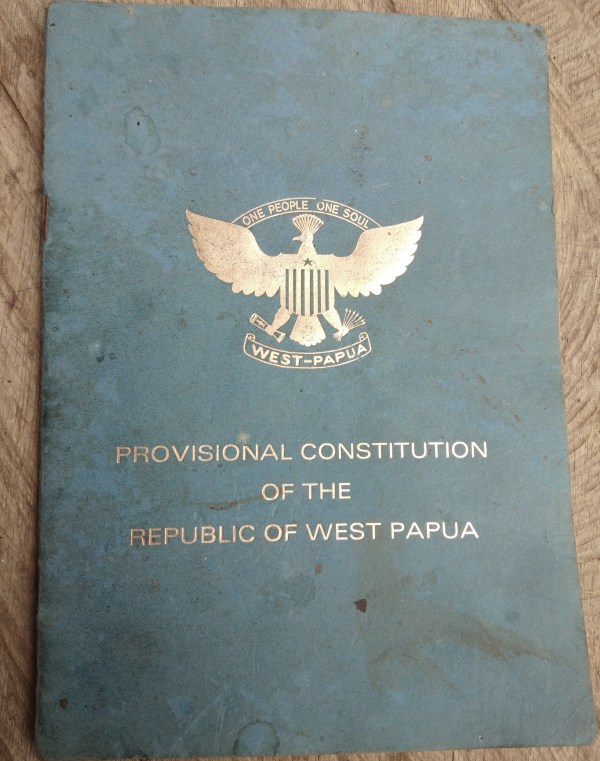
The struggle for independence in the Republic of West Papua has a long and complex history, rooted in the cultural, historical, political, and social factors that have shaped the region for centuries. Situated on the western half of the island of New Guinea, West Papua has been under Indonesian control since 1963, following the controversial Act of Free Choice in 1969, which saw a select group of Papuans vote to become part of Indonesia.
However, many indigenous Papuans argue that this vote was heavily coerced and did not represent the true desires of the people, who have long sought independence from Indonesian rule. The Papuan independence movement has been marked by peaceful protests, armed resistance, and ongoing conflict with Indonesian security forces, leading to a high level of human rights violations and casualties among the civilian population.
Culturally, the Papuan people have a deep connection to their land and natural resources, which they believe are being exploited by the Indonesian government without proper consultation or consent. This has led to environmental degradation, displacement of communities, and loss of traditional ways of life for many indigenous Papuans.
Politically, the Indonesian government has been accused of suppressing dissent and restricting freedom of expression in West Papua, making it difficult for Papuan voices to be heard on the international stage. International organizations such as the United Nations have called for greater respect for human rights in the region, but progress has been slow and limited in the face of Indonesian opposition.
The benefits of the independence movement for the indigenous Papuan people are clear: they seek self-determination, cultural preservation, and control over their own resources. Many Papuans believe that independence would bring greater autonomy, economic development, and social justice to their communities.
On the other hand, the Indonesian government argues that West Papua is an integral part of the country and that independence would threaten national unity and stability. In recent years, there have been efforts to improve infrastructure, healthcare, and education in West Papua, but critics argue that these measures are not enough to address the underlying grievances of the Papuan people.
Recent developments in the conflict include continued reports of violence, human rights abuses, and restrictions on access for journalists and human rights monitors. The situation remains volatile, with no clear end in sight to the decades-long struggle for independence.
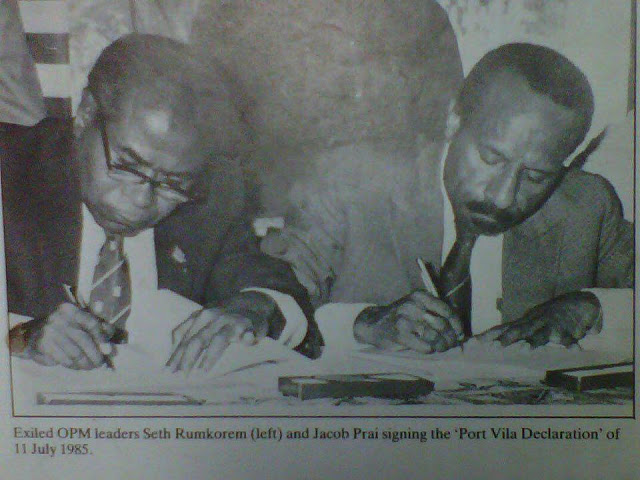
Personal stories from Papuan activists, community leaders, and victims of human rights violations highlight the suffering and resilience of the indigenous population. As one activist, Benny Wenda, has said, “We will continue to fight for our freedom and our rights until justice is served for the people of West Papua.”
In conclusion, the independence movement in West Papua is a complex and deeply entrenched issue that requires a nuanced understanding of the historical, cultural, and political factors at play. By exploring the perspectives of different stakeholders and shedding light on the human rights violations that continue to occur in the region, we can educate ourselves and others on the importance of justice, freedom, and self-determination for all peoples. It is my hope that this blog post will inspire critical thinking and awareness of the challenges facing the people of West Papua, as they continue their struggle for independence and justice.
by Amunggut Tabi, General WPRA

 melanesianews
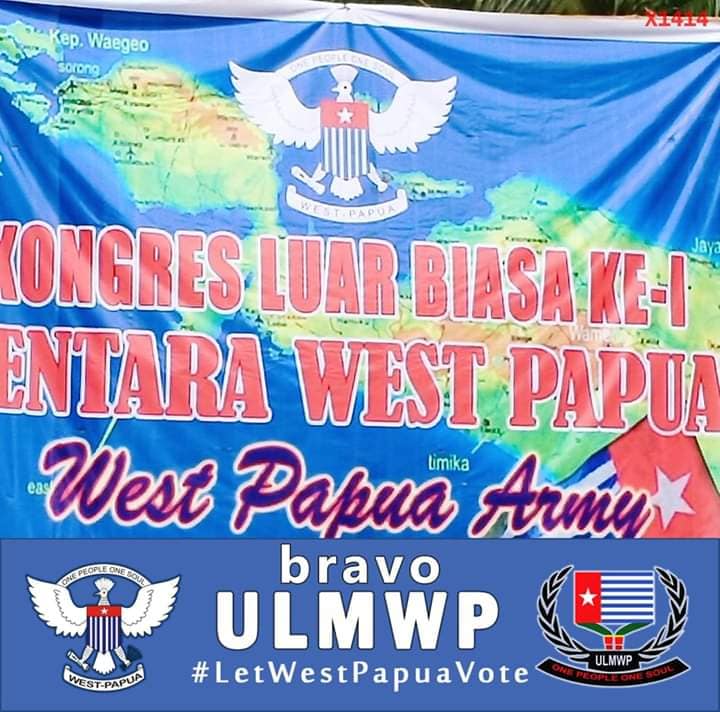
 West Papua Army
Recent Comments